On this page
If you run a pet business — a veterinary clinic, a grooming salon, a pet shop, or a dog training service — you already know something that most marketers spend years trying to figure out: people genuinely love seeing animal content. Pet owners scroll through photos of puppies, watch videos of cats being dramatic, and share relatable pet memes with a passion that few other industries can match.
Yet most small pet businesses are terrible at social media. They post inconsistently, ignore the platforms where their customers actually spend time, and treat Instagram like a digital business card rather than a growth engine. Meanwhile, the pet care industry is booming — global spending exceeds $150 billion annually in the US alone, and Gen Z pet owners are more likely to discover pet products and services through TikTok than through any traditional channel.
The opportunity is enormous. Pet-category content averages around 5% engagement on social media, according to Sprout Social data — significantly higher than most industries. TikTok engagement for pet content reaches 4.2%, outperforming nearly every other sector. And 67% of pet owners are active on social platforms daily, according to Statista.
This guide breaks down exactly how small pet businesses can turn that engagement into paying customers in 2026 — no agency required, no massive budget needed.
Why Pet Businesses Have an Unfair Advantage on Social Media
Most industries have to fight for attention. Pet businesses don't — the audience is already there, actively searching for animal content. But having an advantage and capitalizing on it are two very different things.
Consider the data. Instagram engagement rates for veterinary clinics average 1.85%, which is solid but leaves enormous room for improvement. Meanwhile, the broader pet-category creators on social media — pet influencers, brand accounts, and content-focused pet businesses — average around 5% engagement. That gap between what average clinics achieve and what's possible represents the difference between treating social media as an afterthought and treating it as a growth channel.
The reasons pet content performs so well are straightforward. Animals are inherently visual. A 15-second video of a dog's reaction to getting a treat requires no script, no production budget, and no creative director — yet it can outperform a polished corporate video from a brand that spent thousands on production. People share pet content organically. They tag friends. They comment. They save posts for later.
For a small pet business, this means your content production costs are effectively zero. Your subject matter is walking around your business every day. The challenge isn't creating content — it's creating the right content, consistently, on the right platforms, with a strategy that turns likes into bookings.
The Platform Breakdown: Where Pet Owners Actually Are
Not every platform matters equally for pet businesses. Here's what the data tells us about where your audience spends time.
Instagram remains the dominant platform for pet businesses. According to marketing data from Zeely and Statista, 67% of pet owners are active on social platforms daily, with Instagram and Facebook leading. Instagram is particularly powerful for visual businesses — grooming transformations, new product displays in pet shops, and behind-the-scenes clinic moments. Instagram Stories generate 2.3x more engagement than feed posts for location-based businesses, making them ideal for daily updates, same-day appointment openings, and quick health tips.
TikTok is the fastest-growing platform for pet content. With pet-related videos consistently going viral and engagement rates of 4.2% (compared to the platform average of around 2-3%), TikTok is where pet businesses can reach new audiences fastest. A single viral video of a particularly dramatic cat at the vet can bring in hundreds of new followers and dozens of new clients.
Facebook matters more than many pet business owners think. For local businesses — especially veterinary clinics and grooming salons — Facebook remains the primary platform for the 35+ demographic, which represents the majority of pet owners with disposable income. Local Facebook community groups are particularly valuable for generating word-of-mouth referrals.
Google Business Profile isn't a social platform, but 93% of pet owners use Google to search for the nearest vet or pet service, according to Promodo research. Keeping your profile updated with photos, hours, and responses to reviews directly impacts whether social media followers convert into actual visits.
What to Post: Content Types That Actually Drive Bookings
The biggest mistake pet businesses make on social media is posting without strategy — random cute photos with no call to action, no consistency, and no way to measure whether the content is working. Here are the content types that consistently drive results.
Before-and-After Transformations
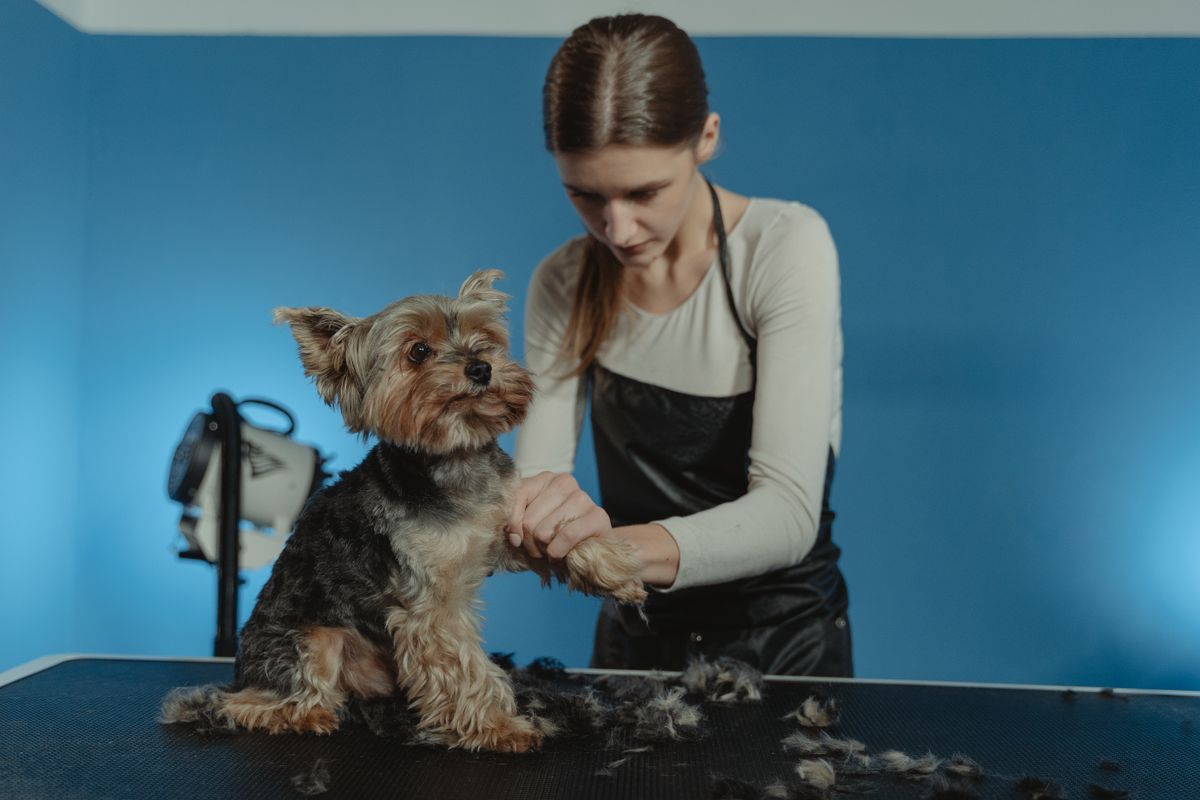
For groomers, this is the single most effective content type. A 15-second video showing a matted, scruffy dog transformed into a freshly groomed companion is impossible to scroll past. These posts get shared, saved, and forwarded to friends who immediately need the same service. The key is consistency: post at least two transformations per week, always with the same format (before clip, grooming clip, final result) so followers know what to expect.
For pet shops, before-and-after works differently — think "empty tank" to "fully set up aquarium," or "boring treat aisle" to "curated display of new products." The transformation principle remains the same: show visible change.
Educational Content That Builds Trust
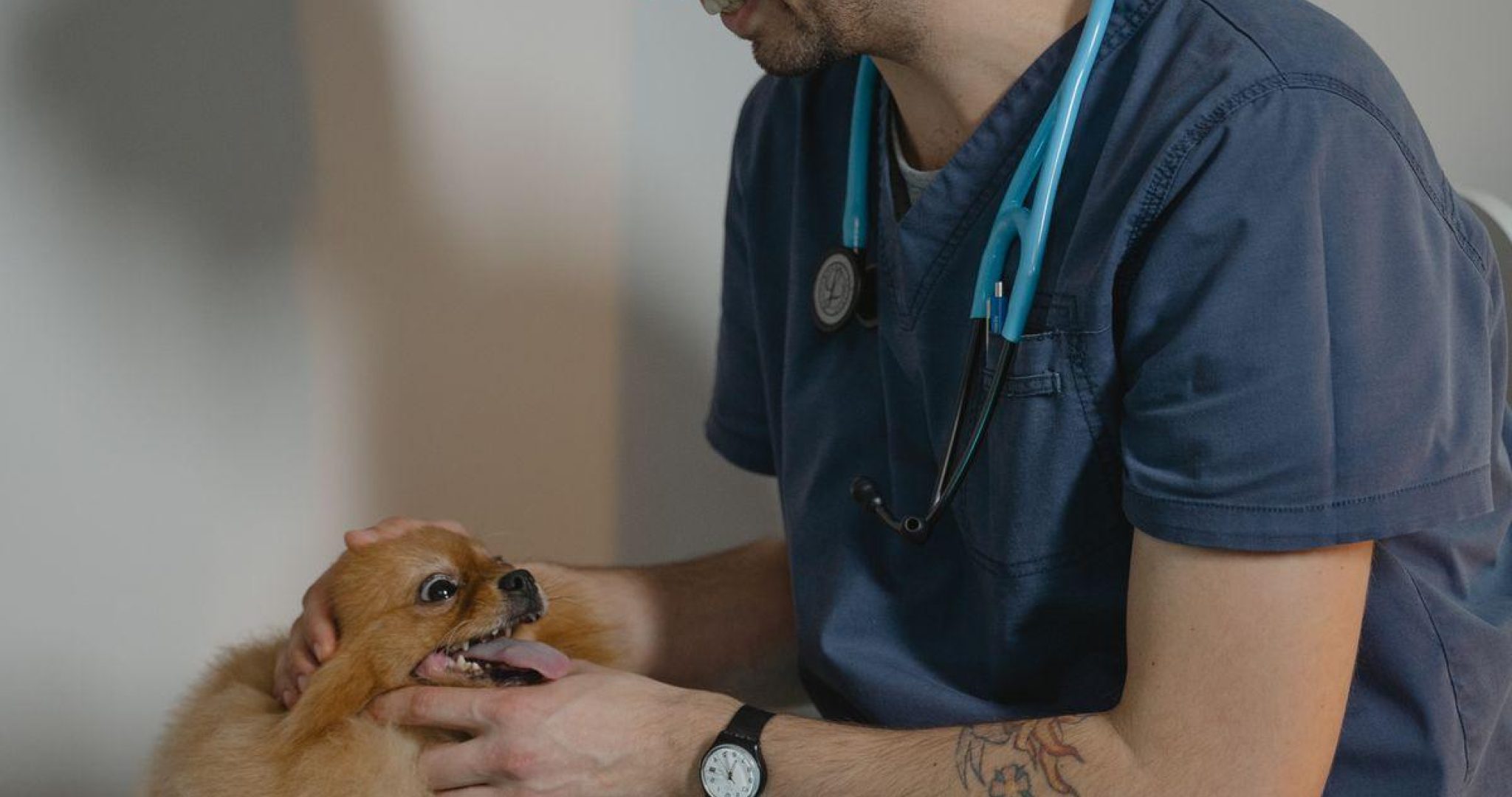
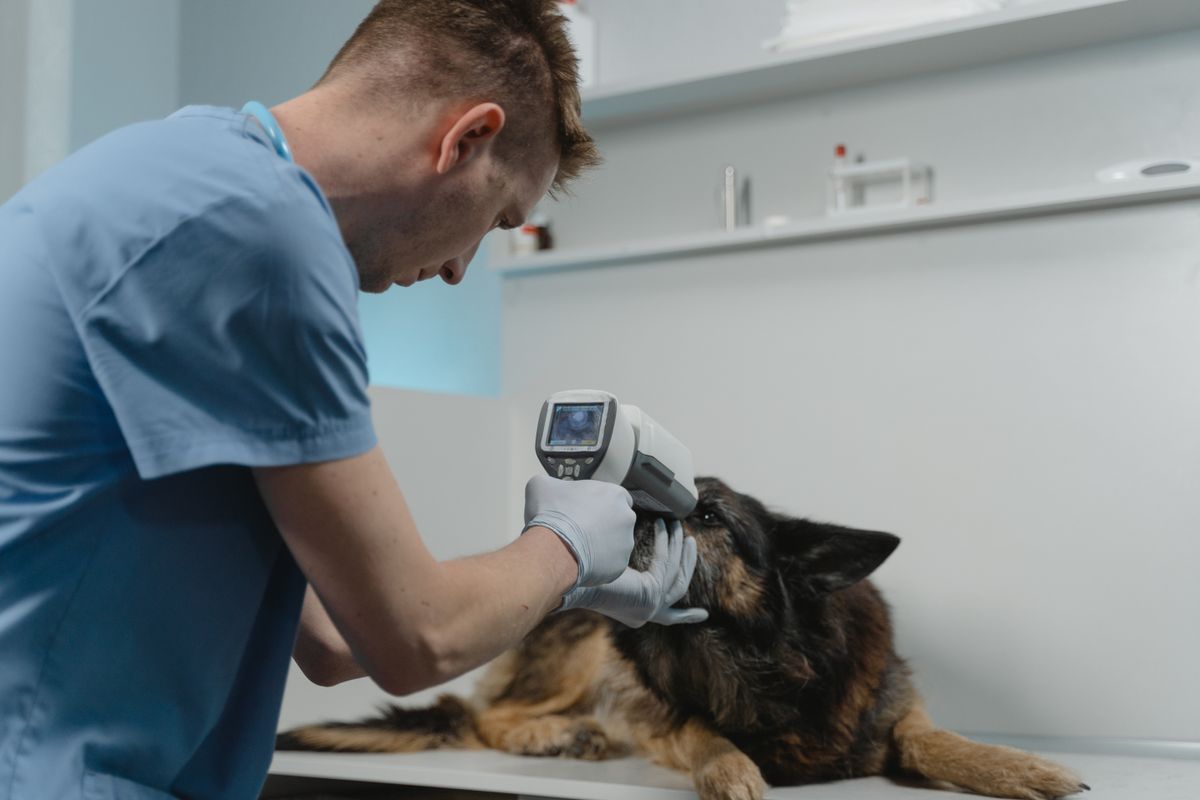
Veterinary clinics have a massive content advantage that most waste: they have expert knowledge that pet owners actively search for. Seasonal health tips (tick prevention in spring, heat safety in summer, holiday food dangers in winter), breed-specific care guides, and "what to expect" posts for common procedures all serve double duty. They position the clinic as an authority while answering the exact questions potential clients are Googling.
According to data from SocialMon, clinics with a planned Instagram presence report significant increases in booking requests within 60 days of consistent posting. And as of 2026, Instagram business profiles are now indexed by Google — meaning your educational posts double as SEO content.
The format matters. Instead of a wall of text, break health tips into carousel posts with one key fact per slide. Use Stories for quick daily tips. Save the longer explanations for captions that interested pet owners will read.
Behind-the-Scenes and Team Content
Pet owners choose businesses they trust. Social media is the fastest way to build that trust before someone needs your services. Posts that show your team in action — a vet calming a nervous dog, a groomer explaining why a particular cut works for a specific breed, a pet shop employee introducing a new product — do more for customer acquisition than any promotional post.
This content doesn't need to be polished. In fact, authenticity performs better. Phone-recorded videos with natural audio consistently outperform professionally shot content for local businesses, because they feel genuine rather than produced.
User-Generated Content
Pet owners are already creating content about your business — they're posting photos of their pets after vet visits, tagging your grooming salon in their dog's "new look" post, and sharing updates about their new puppy from your shop. The businesses that systematically encourage and reshare this content get a 50% increase in engagement, according to Bloom Intelligence data.
Make it easy for customers to create content for you. Set up a simple photo area in your clinic or shop with good natural light. Create a branded hashtag. Offer a small incentive — a free treat, a discount on the next visit — for customers who tag you in posts. Then reshare their content to your Stories, giving them credit and building community.
How Often Should Pet Businesses Post?
Consistency beats volume. Based on engagement data from successful pet businesses across platforms, here's what works in 2026.
For Instagram, aim for 4-5 feed posts per week plus daily Stories. Stories are where local businesses drive actual conversions — same-day cancellation slots, flash promotions, and quick health reminders all work best as Stories because they create urgency without cluttering your feed.
For TikTok, 3-4 short videos per week is sufficient. The algorithm rewards consistency over volume, and pet content has a natural advantage in the TikTok ecosystem. Don't overthink production — raw, authentic clips perform better than edited compilations.
For Facebook, 2-3 posts per week is enough. Focus on community engagement: respond to every comment, participate in local pet groups, and use Facebook to share longer-form content like blog posts or detailed service explanations.
The key metric isn't post count — it's consistency. A pet business that posts every Tuesday and Thursday for six months will outperform one that posts daily for a week and then goes silent for three. This is where AI scheduling tools become valuable: they handle the consistency problem so you can focus on running your business.
The Cost Question: Social Media for Pet Businesses on a Budget
Most small pet businesses don't have a marketing budget. They have a treatment room, a grooming table, and a smartphone. The good news is that effective social media for pet businesses costs almost nothing.
What you actually need:
- A smartphone with a decent camera (you already have this)
- A consistent posting schedule (free with the right tool)
- Basic knowledge of what content performs well (you just read this)
- 30-45 minutes per week for content creation
What you don't need:
- Professional photography
- Paid advertising (until you've maxed out organic)
- A social media agency
- Expensive editing software
The math on professional help versus DIY is stark. A social media agency charges €500-€1,500 per month for pet business accounts. A part-time social media manager costs €200-€600 per month. An AI-powered scheduling tool like Picmim costs a fraction of that while handling content creation, scheduling, and multi-platform publishing automatically.
For pet businesses specifically, the ROI of consistent social media is measurable. Clinics with active Instagram profiles see significant booking increases within 60 days. Grooming salons that post before-and-after content weekly report filling their calendars 2-3 weeks faster than competitors who don't. Pet shops with regular social media presence see higher foot traffic from customers who "saw the post and came in."
Common Mistakes Pet Businesses Make on Social Media
After analyzing hundreds of pet business social media accounts, the same mistakes appear repeatedly.
Posting only when business is slow. Social media works as a compounding asset — consistent posting builds an audience that's there when you need it. Starting only when you need more customers means you're 3-6 months too late.
Ignoring comments and messages. Pet owners who comment on your posts are potential customers. According to veterinary marketing data, clinics that respond to social media inquiries within an hour are significantly more likely to convert those inquiries into appointments. Yet many pet businesses leave comments unanswered for days.
Using stock photos instead of real content. Pet owners can tell the difference instantly. A stock photo of a generic dog generates a fraction of the engagement of a real photo of an actual patient. Your real content — your actual patients, your actual team, your actual workspace — is your competitive advantage. Never substitute stock for authenticity.
Treating all platforms the same. Instagram, TikTok, and Facebook have different audiences, different algorithms, and different content formats. Cross-posting identical content to all three is better than nothing, but optimizing for each platform — vertical video for TikTok, carousels for Instagram, community engagement for Facebook — dramatically improves results.
How AI Makes Social Media Manageable for Busy Pet Business Owners
The reality of running a pet business is that you're busy. Vets are in surgery. Groomers have back-to-back appointments. Pet shop owners are managing inventory and helping customers. Social media falls to the bottom of the priority list — until it becomes urgent and then it's too late.
This is where AI-powered social media tools have changed the game for small pet businesses. Instead of spending hours planning content, writing captions, and manually posting across platforms, AI tools can:
- Generate a week's worth of pet-focused content ideas based on your business type
- Write captions in your brand voice that sound like you, not a robot
- Schedule posts at the times when pet owners are most active (early mornings and evenings, when people are walking their dogs or winding down)
- Automatically adapt content for different platforms (vertical video for TikTok, carousel for Instagram, text-focused for Facebook)
- Track which posts drive actual engagement and bookings, so you can double down on what works
For pet businesses specifically, AI is particularly effective because the content formula is so clear: educational tips, behind-the-scenes moments, and transformation content. Once an AI tool understands your business type — veterinary clinic, grooming salon, pet shop — it can generate months of relevant content ideas in minutes.
The pet businesses that will win in 2026 aren't the ones with the biggest marketing budgets or the most followers. They're the ones that post consistently, engage genuinely with their community, and use tools that make social media manageable alongside the actual work of caring for animals.
A 30-Day Social Media Plan for Pet Businesses
If you're starting from scratch — or restarting after a hiatus — here's a practical plan for your first 30 days.
Week 1: Foundation. Claim or update your Instagram, Facebook, and Google Business Profile. Ensure your hours, services, and contact information are identical everywhere. Post an introduction: who you are, what you do, and why pet owners should trust you. Take a photo of your space and team.
Week 2: Educational content. Post one pet care tip per day as a simple carousel or single image. Topics: seasonal health concerns, common myths about pet care, what to expect during a vet visit or grooming appointment. These posts build authority and get saved by pet owners for future reference.
Week 3: Social proof. Share before-and-after photos, patient success stories (with permission), and user-generated content from happy customers. Ask your regular clients to leave Google reviews and tag you in their pet photos.
Week 4: Engagement push. Run a simple giveaway or contest — "Tag us in a photo of your pet for a chance to win a free grooming session" or "Share this post for 20% off your next vet visit." These campaigns work exceptionally well for pet businesses because pet owners love showing off their animals.
By the end of 30 days, you'll have a content rhythm, a growing audience, and — most importantly — data showing which posts resonate with your specific local audience.
Conclusion
Pet businesses have a built-in advantage on social media that most industries would pay millions for. Your customers already love animal content. Your daily work produces compelling, shareable material. And your local community is actively searching for the services you provide.
The gap between pet businesses that thrive on social media and those that don't isn't about talent, budget, or follower count. It's about consistency, strategy, and using the right tools to make social media manageable alongside the real work of caring for animals.
If you're spending more than an hour per week on social media, you're doing it wrong. With the right AI-powered tools, you can create a month of content in a single afternoon, schedule it to post at optimal times, and get back to doing what you actually love — working with animals.
Start your free Picmim trial and see how easy social media can be for your pet business.
Sources: American Pet Products Association, Statista, Sprout Social, Bloom Intelligence, Promodo, SocialMon, CuFinder veterinary marketing benchmarks 2026.