On this page
If you run an event planning business or manage a wedding venue, you already know that social media is where your next client is looking. In 2026, an estimated 2 million couples will get married in the US alone, and 41% of them use Instagram to vet vendors before they ever send an inquiry email. Across the broader events industry, 83% of marketers now use social media as their primary promotion channel.
But knowing social media matters and actually having a strategy that turns followers into bookings are two very different things. Most event professionals we talk to are stuck in the same cycle: post a few photos from last weekend's event, disappear for two weeks while they're buried in the next one, then wonder why their engagement has flatlined.
You don't need a bigger marketing budget. You need a system that works with the reality of running an events business — irregular hours, weekend work, and the constant pressure of the next deadline.
Where Event Planners and Wedding Venues Actually Get Found
Let's start with the platforms that matter, because trying to be everywhere is the fastest way to be nowhere.
Instagram remains the dominant platform for event and wedding businesses. It's where couples go to vet your aesthetic, see real events you've produced, and get a feel for whether your style matches their vision. The 2026 algorithm heavily favors Reels, which regularly achieve 3 to 5 times the reach of static feed posts. But here's the nuance that most event professionals miss: reach doesn't equal bookings. A behind-the-scenes Reel from a venue setup might get 20,000 views from people across three continents who will never book you. A well-crafted carousel post showing your pricing packages, venue capacity, and availability calendar might get 600 views and generate four serious inquiries.
Pinterest is the quiet workhorse that too many event businesses neglect. Wedding vendors consistently report that Pinterest drives 2 to 3 times more website traffic than Instagram, with significantly higher conversion rates. The reason is intent. Pinterest is a visual search engine, not a social network. When someone searches "outdoor wedding venue Slovenia" or "corporate event space Ljubljana," they're actively planning something. Your pins can surface months or even years after you post them, unlike Instagram content which essentially disappears after 72 hours.
TikTok is where half of all couples now get their wedding inspiration, according to Zola's 2026 First Look Report. For event planners, TikTok is particularly powerful for educational content — day-in-the-life videos, venue walkthroughs, and planning tips. The audience skews younger, which means if you're targeting couples aged 25 to 32, you need to be there.
Facebook still matters for corporate event planners and B2B events. LinkedIn matters if you plan conferences, product launches, or corporate retreats. But for most small event businesses and wedding venues, Instagram plus Pinterest will account for 80% or more of your social-driven inquiries.
What to Post When You're Busy Running Events
The biggest challenge event professionals face isn't knowing what to post — it's finding time to post while actively managing events. Here's a framework that works around your schedule.
During event season, your best content is the event itself. But you need a system to capture it efficiently. Designate one person on your team (or hire a content assistant for the day) to take behind-the-scenes photos and short video clips throughout the event. You don't need professional videography for social media. A phone-shot Reel of your team setting up a venue, styling tables, or coordinating the ceremony timeline will outperform polished marketing content because it feels real.
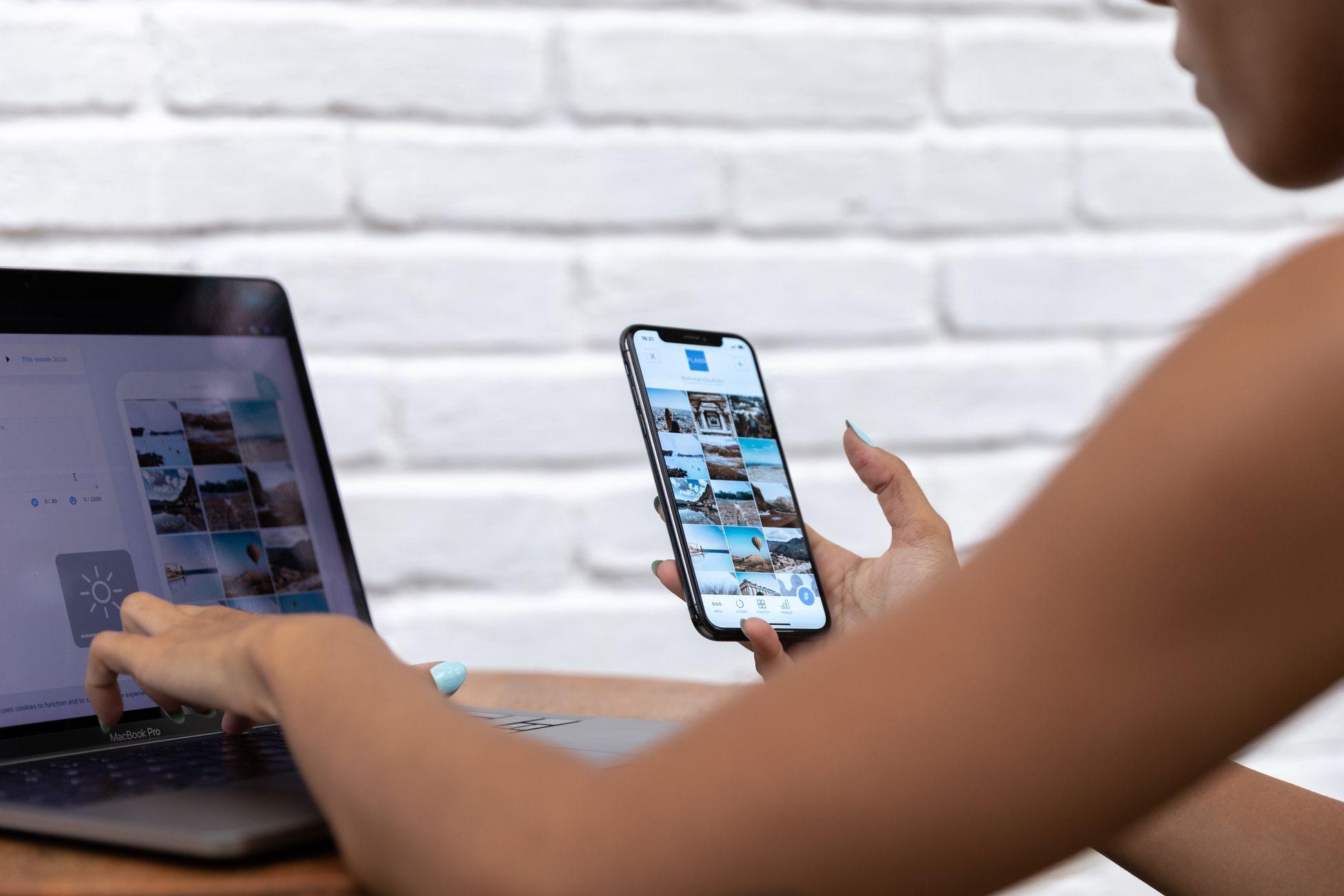
The key is batch creation. Spend one morning each month creating content that isn't tied to specific events. This includes evergreen posts like:
Venue tour videos showing different setup configurations. These perform exceptionally well as both Instagram Reels and Pinterest pins, and they answer the most common question potential clients have: what does your space actually look like?
Testimonial graphics featuring quotes from past clients. According to industry data, 71% of couples read reviews before booking a vendor. Turning your best reviews into shareable graphics gives social proof a longer shelf life.
Educational content that positions you as an expert. "Five questions to ask before booking a wedding venue," "How to plan a corporate event on a budget," or "What nobody tells you about outdoor weddings." These posts get saved and shared far more than portfolio photos.
Pricing transparency posts. In 2026, the businesses winning on social media are the ones that answer questions their competitors avoid. A post explaining your base package pricing, what's included, and common add-ons will filter out tire-kickers and attract qualified leads.
The AI Advantage for Event Businesses
Here's where the landscape has shifted dramatically. In 2026, 95% of event organizations expect their use of AI to increase, according to Bizzabo's State of Events Benchmark Report. But most event professionals are still using AI wrong — they're generating generic captions that sound like every other vendor in their market.
Used well, AI becomes your social media manager when you can't be one. Tools like Picmim can analyze which of your past posts generated the most inquiries, then suggest content topics and captions that match what actually converts for your specific audience. They can schedule posts at optimal times based on when your followers are most active, not based on generic "best time to post" articles.
The real value is in consistency. The number one reason event businesses fail at social media is that they post irregularly. They're great for two weeks, then vanish during a busy event weekend, then come back and wonder why their reach has dropped. AI scheduling solves this by maintaining a steady posting cadence even when you're on-site at a three-day conference or a weekend wedding.
For multi-location venues or event companies managing several properties, AI tools can automatically customize the same base content for different locations. A single corporate event template becomes five location-specific posts, each with the right local details, hashtags, and imagery.
Building a Content Calendar That Survives Event Season
A content calendar only works if it accounts for the reality that you will be unavailable during events. Here's a practical structure.
Plan in two-week sprints. Every other Sunday evening, spend 30 minutes planning the next 14 days of content. This is short enough to stay flexible — you'll always have new event photos to incorporate — but long enough to maintain consistency.
For each two-week sprint, aim for:
Three to four Instagram Reels. One venue tour or event recap, one educational or tips post, one behind-the-scenes or day-in-the-life, and one client testimonial or user-generated content post.
Five to seven Instagram Stories per week. These don't need to be polished. Quick updates, event prep, team moments, or reposting client content. Stories keep you visible in the algorithm without requiring production time.
Two to three Pinterest pins per week. These should link back to your website or blog. Create pins for each service you offer, each event space you have, and each blog post you publish.
One longer-form post per week. This could be a blog post, a detailed carousel, or a live Q&A. This is the content that builds authority and improves your search rankings.
During peak event season, shift the ratio toward more Stories and user-generated content (reposting clients' posts) and fewer produced Reels. Your audience understands that you're busy doing real work — they just want to see that you're still active.
Measuring What Actually Matters
Most event businesses track vanity metrics — follower count, total likes, profile views. These tell you almost nothing about whether social media is driving revenue.
Instead, track inquiries. Every week, count how many people reached out via Instagram DMs, website contact forms, or phone calls. If you're getting 30+ profile views a week but zero inquiries, your content is attracting the wrong audience or failing to communicate how to work with you.
Track your saved posts on Instagram. Saves are the strongest signal that someone found your content genuinely useful. An educational post about "10 things to include in your event budget" that gets 50 saves will bring you more long-term value than a viral Reel that gets 10,000 views and zero saves.
On Pinterest, track outbound clicks. These are people who left Pinterest to visit your website. The vendors who see the best Pinterest results typically generate 100 to 300 outbound clicks per month from a catalog of 40 to 60 well-optimized pins.
Most importantly, ask every new inquiry how they found you. After three months of tracking this consistently, you'll know exactly which platform deserves your time and which one you can deprioritize.
Common Mistakes That Cost Event Businesses Bookings
The most expensive mistake is treating your Instagram grid as a portfolio instead of a marketing channel. A beautiful grid of event photos looks impressive to other event professionals, but it doesn't help a potential client understand whether they can afford you, what working with you looks like, or how to take the next step.
The second mistake is ignoring Pinterest entirely. If you're an event venue, photographer, florist, or planner, Pinterest should be one of your top three traffic sources. It's essentially free SEO for visual businesses, and the content you create once continues to drive traffic for years.
The third mistake is posting inconsistently during off-season. Many event businesses ramp up social media in spring and summer when they're busy with events, then go dark in winter. But winter is when couples are planning their summer weddings. If you disappear during planning season, you're invisible when it matters most.
Conclusion
Social media for event planners and wedding venues isn't about going viral or having the most beautiful Instagram grid. It's about being visible and useful when potential clients are making decisions. The businesses that win are the ones that show up consistently, share useful information, and make it easy for interested couples and event organizers to take the next step.
If you're tired of the feast-or-famine social media cycle — posting constantly during event season and going silent when you're busy — that's exactly the problem Picmim was built to solve. Our AI-powered platform helps event businesses maintain a professional social media presence year-round, without requiring hours you don't have. Try Picmim free and see how much easier social media becomes when you have a system that works while you're working.
Sources: Zola 2026 First Look Report, Bizzabo 2026 State of Events Benchmark Report, SchedulingKit Wedding Industry Statistics 2026, Style Me Pretty 2026, Statista event marketing data.