Na tej strani
Instagram for restaurants is deceptively simple. You post a nice photo of food, people get hungry, and they come to your restaurant. If only it worked that smoothly. In reality, the platform is layered — feed posts, Stories, Reels, hashtags, grid aesthetics, direct messages, and reviews all interact in ways that determine whether your content reaches the people who matter: local diners who are deciding where to eat tonight.
A restaurant Instagram strategy is not about posting more. It is about posting with purpose. Every piece of content should serve one of three goals: make someone hungry (appetite appeal), make them trust you (authenticity and quality signals), or make them book (conversion). When your grid, Stories, and Reels work together toward these goals, Instagram becomes a reliable driver of reservations rather than a time-consuming obligation.
This guide breaks down each component of Instagram specifically for restaurants — from grid aesthetics to hashtag strategy to handling the inevitable negative comment — with practical, implementable advice.
Grid Aesthetics: Your Visual Menu
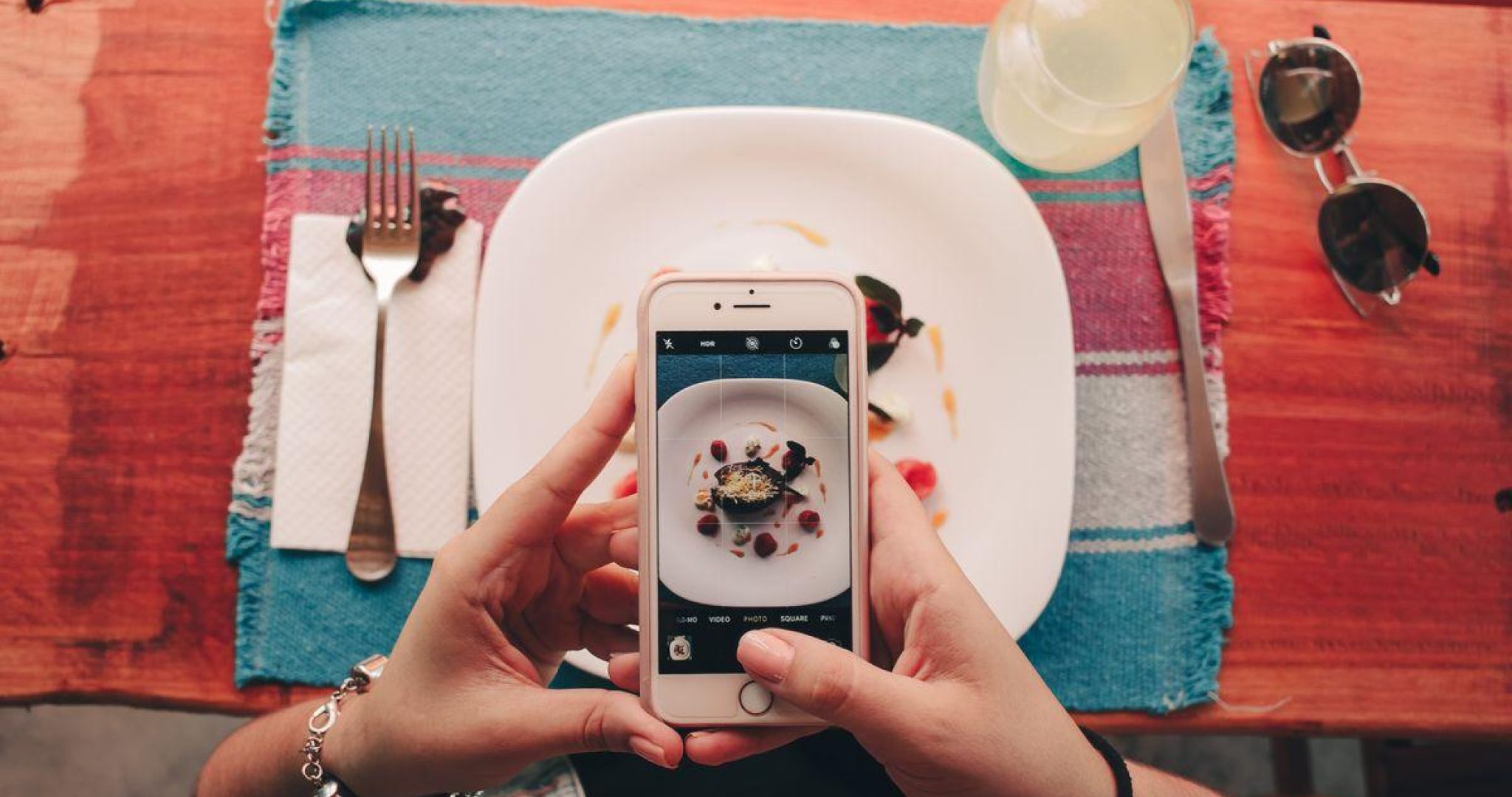
Your Instagram grid is the first thing a potential diner sees. Before they read a single caption, they scroll through nine to twelve photos that form their first impression of your restaurant. If those photos are inconsistent — a dark, blurry shot next to an overly filtered one next to a screenshot of a poster — the impression is chaotic. If they are cohesive, the impression is professional.
Cohesion does not mean every photo looks identical. It means there is a consistent visual language: similar lighting, a recognizable editing style, and a balance of content types. For a restaurant, a strong grid typically alternates between finished dishes, atmosphere shots (the dining room, the bar, the kitchen), and human moments (staff, chefs, happy diners). This variety keeps the grid interesting while signaling that your restaurant has depth — it is not just a kitchen, it is a complete experience.
The most common grid mistake restaurants make is posting only food photos. A grid of twenty consecutive plate shots looks like a catalog, not a restaurant. Mix in your chef plating a dish, your dining room at golden hour, a close-up of a cocktail being poured, a behind-the-scenes moment from prep. The rule of thumb: if someone scrolled your grid for ten seconds, would they understand what it feels like to eat at your restaurant? If the answer is yes, your grid is working.
Practical approach: plan your grid in rows of three. Each row of three posts should contain at least one food shot, one atmosphere or human element, and one wildcard (a cocktail, a detail shot, an event promotion). This creates visual rhythm without requiring rigid planning — you just need to be aware of what you posted recently and balance accordingly.
Stories: The Daily Specials Engine
Instagram Stories are where restaurant content becomes practical and timely. Unlike feed posts, which should be curated and high-quality, Stories are designed to be casual, immediate, and frequent. This makes them the perfect vehicle for the content that changes daily: specials, available tables, behind-the-scenes moments, and last-minute updates.
The strategic value of Stories is twofold. First, they keep your restaurant at the top of followers' feeds without the pressure of feed-post quality. Every Story you post puts your name in that row of circles at the top of the screen — a constant, low-effort reminder that you exist. Second, Stories have interactive features (polls, questions, countdowns) that drive engagement in ways feed posts cannot.
For a restaurant, a sustainable Story rhythm looks like this: post the daily special each morning (a quick photo from the kitchen, no filter needed), share a behind-the-scenes moment during prep or service, and use the countdown sticker for upcoming events or special dinners. When you have last-minute availability — "two tables left for tonight at 8 PM" — a Story is the fastest way to communicate that urgency. Stories disappear after 24 hours, which is exactly the right lifespan for this kind of content.
Use the link sticker. Instagram now allows all accounts to add links to Stories, and restaurants underuse this feature. Every Story about a special event, wine dinner, or limited availability should include a link — to your reservation page, your menu, or your event booking. Stories without a link build appetite; Stories with a link capture it.
Reels: Reach Beyond Your Followers
Instagram Reels are the platform's answer to TikTok, and they are the only content type on Instagram that consistently reaches users who do not already follow you. The Reels algorithm prioritizes content based on interests rather than existing connections, which means a well-made Reel about your signature dish can land in front of thousands of local food enthusiasts who have never heard of your restaurant.
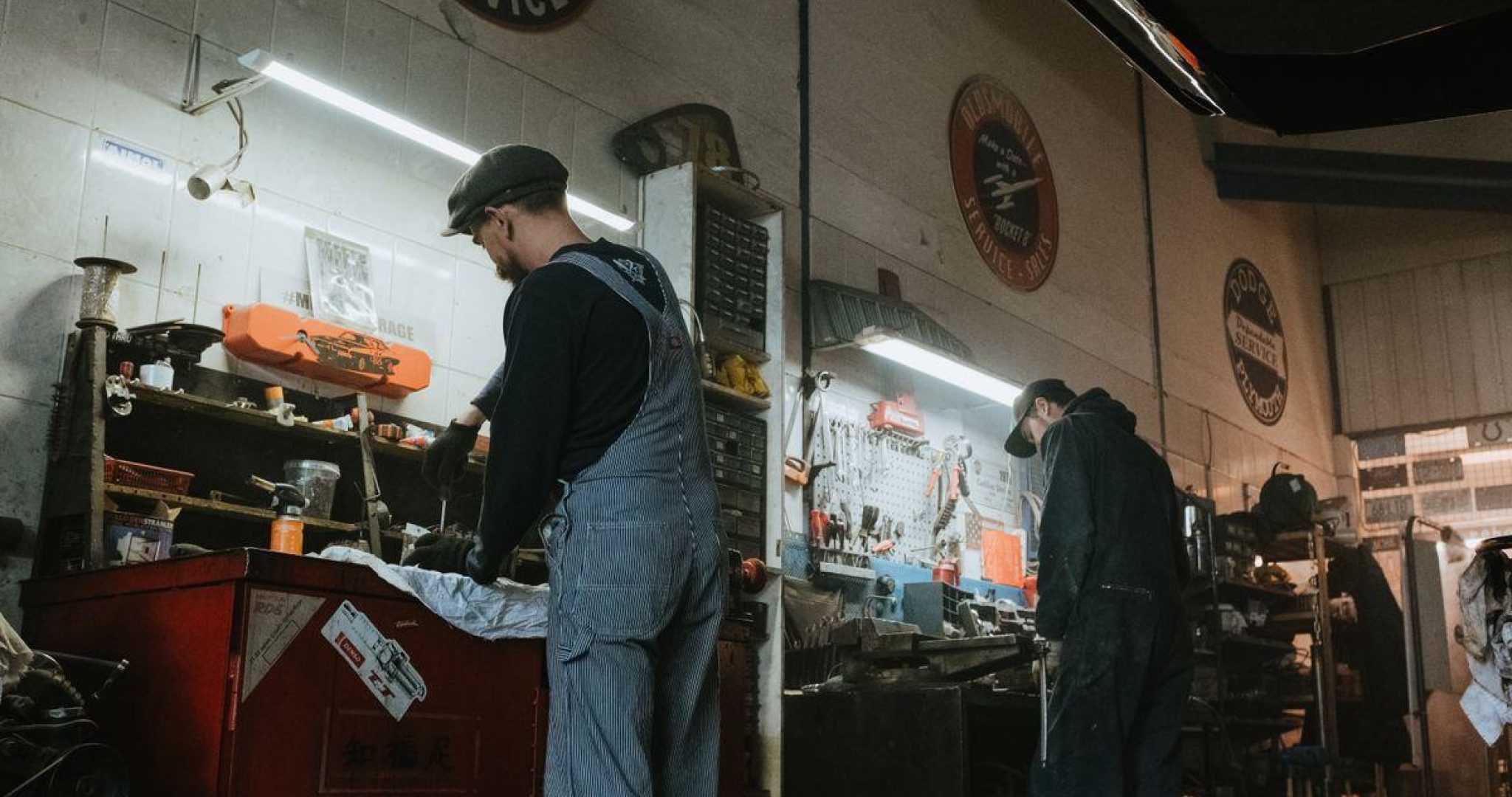
For restaurants, the Reels that perform best share one quality: they show process. People are captivated by watching food being made. A 15-second Reel of your chef flipping a crêpe, pulling a pizza from a wood-fired oven, or pouring a layered cocktail satisfies a universal curiosity about how restaurants work. These videos do not need professional production — in fact, raw, phone-shot footage with natural kitchen audio often outperforms polished content because it feels authentic.
The key to Reels is consistency, not perfection. One Reel per week, showing something interesting from your kitchen or bar, will gradually build your reach to audiences beyond your follower base. Use trending audio when it fits naturally — the algorithm gives a boost to Reels using popular sounds — but never force a trend that does not match your restaurant's personality. A fine-dining establishment doing a TikTok dance would be jarring; the same restaurant showing a slow-motion pour of a burgundy reduction would be compelling.
Hashtag Strategy for Local Restaurants
Hashtags remain relevant on Instagram, but the strategy has shifted. The era of stuffing thirty generic hashtags into every post is over — Instagram's algorithm now rewards relevance and specificity over volume. For restaurants, effective hashtags work in three layers.
Local hashtags connect you with diners in your area. Tags like #LjubljanaFood, #LjubljanaRestaurants, #EatLjubljana, or your city's equivalent put your content in front of people searching for local dining options. These are your highest-value hashtags because they reach exactly the audience you want: people in your city who are interested in food.
Cuisine-specific hashtags attract people who are passionate about your particular type of food. An Italian restaurant benefits from #PastaLover, #ItalianFood, and #Trattoria. A sushi restaurant reaches different audiences with #Omakase, #SushiArt, and #JapaneseCuisine. These tags have global reach, which means they will not always drive local foot traffic, but they build brand awareness and can attract tourists planning visits.
Experience hashtags capture dining occasions. Tags like #DateNightDinner, #BrunchVibes, #WinePairing, or #CelebrateSpecial connect your restaurant to the moments people are looking to celebrate. Use 5–10 carefully chosen hashtags per post, mixing all three layers.
User-Generated Content: Reposting the Right Way
When a customer posts a beautiful photo of your food, it is the most valuable content you can share — and it is free. User-generated content (UGC) provides social proof that no branded post can replicate: it says "real people chose this restaurant, loved the food enough to photograph it, and shared it with their friends." One study found that UGC generates 6.9 times higher engagement than brand-created content.
The ethics of reposting customer content matter. Always ask for permission — a simple comment on the original post saying "This is beautiful! Would you mind if we shared it on our page with credit?" is enough. Always give prominent credit — tag the original creator in both the photo and the caption. Never crop out the customer's original watermark or handle.
Build a system for finding UGC. Check your tagged photos weekly, search your location tag on Instagram, and encourage customers to tag you — a small sign at the table or a note on the menu saying "Tag us in your photos for a chance to be featured" works wonders. When you repost, add genuine commentary: what you love about their photo, why their dish choice was a great one, or a behind-the-scenes detail about what they captured.
Post Type Performance: What Actually Works
Not all Instagram content performs equally. Understanding which post types drive engagement and reservations helps you allocate your limited time wisely. Based on aggregated restaurant data:
| Post Type | Avg. Engagement | Best For | Reservation Impact |
|---|---|---|---|
| Dish spotlight (feed) | High | Showcasing signature plates | Medium — builds desire |
| Kitchen video (Reel) | Very High | Reach to new audiences | Low direct, high brand awareness |
| Staff/chef feature (feed) | Medium | Building trust and connection | Medium — personal connection drives visits |
| Customer repost (feed) | High | Social proof | High — most persuasive for new diners |
| Daily special (Story) | Medium | Urgency, same-day visits | High for same-day covers |
| Event promotion (feed + Story) | Medium-High | Driving specific event bookings | Very High — direct conversion |
| Atmosphere/interior shot (feed) | Medium | Conveying the dining experience | Medium — important for first-time visitors |
The pattern is clear: content that shows real people, real food, and real experiences outperforms promotional content. Your mix should lean heavily toward authentic dish and kitchen content, with event promotions and reservation prompts layered in strategically.
Handling Negative Reviews Publicly
Every restaurant gets negative comments on Instagram eventually. A dish someone did not enjoy, a service complaint, a wait time frustration. How you respond publicly matters more than the complaint itself — potential diners read the comments and your replies to gauge how you handle problems.
Respond promptly, professionally, and with genuine concern. Never delete a legitimate complaint — it makes you look dishonest and often triggers the customer to post more vocally elsewhere. Acknowledge the experience, apologize without making excuses, and invite the customer to continue the conversation privately (via DM or email). This shows other readers that you care and are willing to make things right.
The one exception: abusive, discriminatory, or entirely fabricated reviews can and should be removed or hidden. Legitimate criticism deserves a public response; harassment does not.
Turning Instagram Followers Into Reservations
Instagram engagement is vanity; reservations are reality. The bridge between the two is conversion — giving interested followers a clear, frictionless path from "that food looks amazing" to "I have a table booked for Friday."
Make your bio work harder. Your Instagram bio should contain your location, cuisine type, a one-line value proposition, and a link to your reservation system. Too many restaurants have bios that say "Best pasta in town 🍝" with no link. The link is the single most important element — it is the only clickable URL in your entire Instagram presence (outside of Story links). Use a direct booking link, not your homepage.
Use Stories with reservation prompts at least twice per week, timed before decision-making windows. Thursday at 11 AM reaches the "where should we go Friday night?" audience. Wednesday at noon captures the "where should we have lunch this week?" decision. Each of these Stories should have a link sticker to your booking page.
Conclusion
A restaurant Instagram strategy is not about being the most popular account in your city. It is about being visible, appetizing, and bookable when a local diner is making a decision. Build a grid that makes people hungry. Use Stories to stay top of mind daily. Use Reels to reach new audiences. Handle your community with care. And always — always — make it easy to book a table.
Managing all of this manually is a lot. Picmim helps you schedule Instagram feed posts, Stories, and cross-platform content from a single calendar, with AI-generated captions in your restaurant's voice. Plans start at €29/month with a website preview. Manage your restaurant Instagram with Picmim — and turn your feed into a reservation engine.