On this page
You've seen it happen. A national chain opens down the street from your shop. They have a marketing team, an ad budget that dwarfs your annual revenue, and an Instagram feed that looks like it was shot by a film crew. Meanwhile, you're trying to write a caption between serving customers.
Here's the thing that might surprise you: 19.6% of small businesses that shut down cite inability to keep up with stronger competitors as a primary reason, according to The Zebra. But the ones that survive and thrive aren't the ones with the biggest budgets — they're the ones that understand where the advantages actually lie on social media in 2026.
The data tells a counterintuitive story. Social platforms now account for over 60% of product discovery, according to Sprout Social's 2026 statistics. That means people are finding new brands on Instagram and TikTok, not Google. And the brands they're choosing aren't always the ones with polished campaigns — they're the ones that feel real, respond fast, and show up consistently.
This isn't motivational fluff. It's a practical breakdown of how small businesses are using specific advantages — speed, authenticity, local presence, and AI tools — to win attention and customers that big brands can't reach.
The Authenticity Advantage Is Real (And Measurable)
Big brands spend millions trying to manufacture what small businesses have naturally: genuine human connection. A 2025 Sprout Social survey found that 93% of consumers believe it's important for brands to be culturally relevant on social media. But cultural relevance is hard to fake from a corporate office three time zones away.
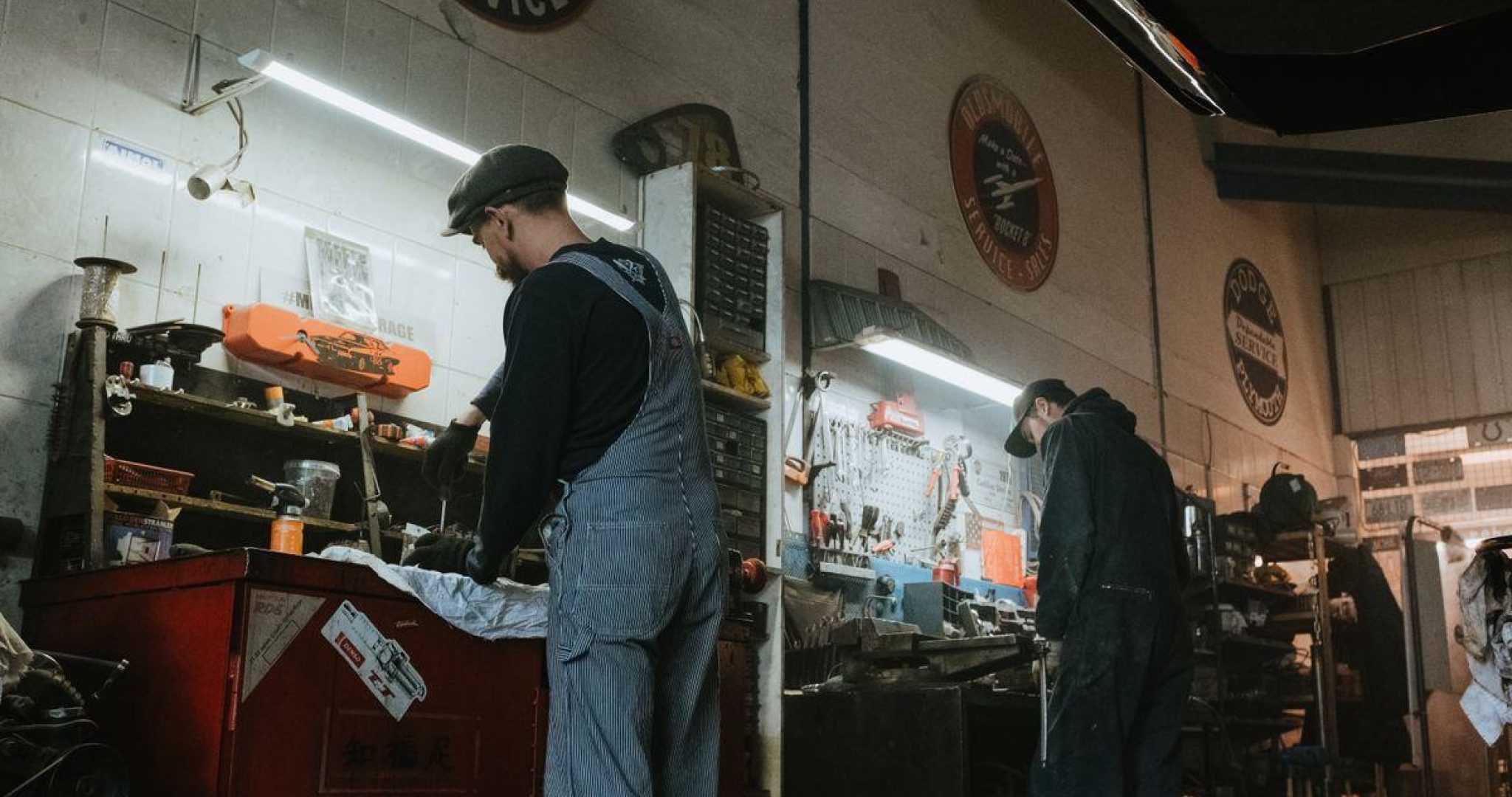
When a local bakery posts a video of their morning prep at 5 AM, when a plumber shares a before-and-after of a job they're proud of, when a boutique owner responds to a comment personally — that's content that big brands literally cannot replicate. Not because they lack the skill, but because they lack the authenticity.
The numbers back this up. According to BrightLocal, 88% of consumers trust online reviews as much as personal recommendations. That trust extends to social media: people believe real people. A small business owner sharing their expertise, their behind-the-scenes process, or even their mistakes builds more credibility than a polished brand campaign that cost fifty grand to produce.
But there's a nuance that matters in 2026. A ContentGrip study found that 48% of consumers say obviously AI-generated posts make them trust a business less, with 64% of Gen Z flagging it as a concern. The lesson isn't to avoid AI — it's to use AI as a tool to be more authentic, not less. AI that helps you post consistently and respond quickly enhances trust. AI that writes generic, soulless content destroys it.
Speed: Your Unfair Advantage
This is where small businesses have a structural edge that big brands cannot overcome without fundamentally reorganizing how they work.
Sprout Social's latest pulse survey revealed that 84% of consumers say the speed of a brand's response affects how they perceive that brand. Nearly three-quarters (73%) say they'll switch to a competitor if a brand doesn't respond on social media, according to the same data.
Think about what happens when a customer comments on a big brand's post. That comment goes to a community manager, who escalates to a supervisor, who checks with legal, who circles back with marketing. The response comes — if it comes — 48 hours later.
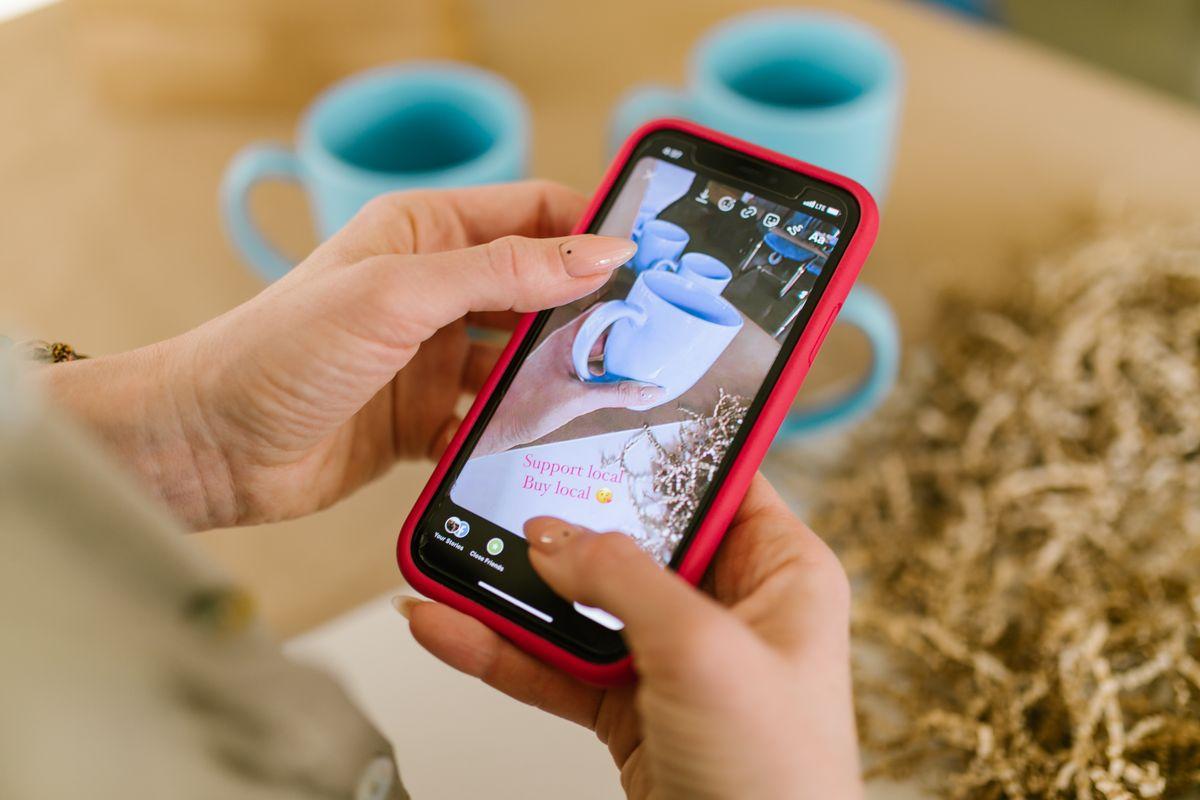
When a customer comments on your post, you can respond in five minutes. From your phone. Between meetings. With a real answer, not a PR-approved statement.
This speed advantage compounds. People talk about brands that respond fast. They leave better reviews. They recommend you to friends. In an era where 81% of consumers make impulse purchases based on social media interactions, being the business that actually shows up matters more than being the business with the best-looking feed.
The practical takeaway: set up notifications for comments and DMs on your primary platforms. Make responding within an hour a non-negotiable daily habit. If you use a scheduling tool, choose one that centralizes your inbox so you're not checking five different apps.
The Local Edge Big Brands Can't Buy
National brands optimize for scale. They run the same campaign in New York that they run in Ljubljana. They can't — and don't want to — reference the local festival, the neighborhood landmark, or the community event that your customers care about.
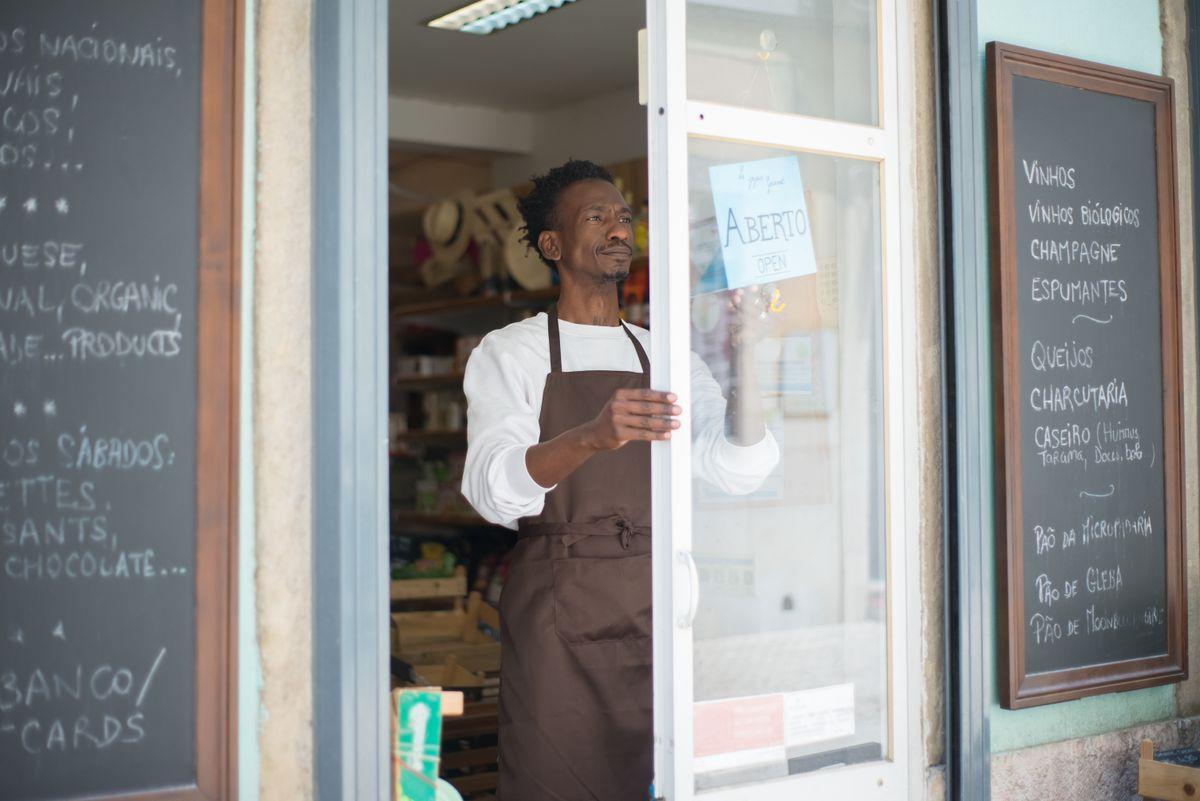
This local relevance is a powerful content engine. When you post about serving at the town fair, when you share a photo with a local supplier, when you comment on regional news — you're creating content that no big competitor can touch. It's not just about engagement; it's about being top of mind when someone in your area needs what you sell.
The Zebra reports that 19.6% of small businesses shut down due to competitive pressure, yet those that survive consistently cite local community connection as their moat. Google data shows that 46% of all searches have local intent. When someone searches "bakery near me" or "plumber in [city]," your social media presence contributes to whether you show up — and whether the person who finds you decides you're worth visiting.
The strategy is simple but underused: weave your local identity into everything you post. Tag your location. Mention local events. Collaborate with other local businesses on social. Your community is a content source and a customer base that big brands have to spend enormous amounts of money to even attempt to reach.
Why Consistency Wins (And How AI Makes It Possible)
Here's the uncomfortable truth that kills most small business social media efforts: they start strong and fade within 90 days.
The businesses that win on social aren't necessarily the ones with the best content. They're the ones that show up reliably, every week, for months. Consistency signals that you're open, active, and paying attention. Inconsistency signals the opposite.
According to Constant Contact's February 2026 survey of over 1,500 small-business owners, 68% say social media posting and paid ads will drive the most value for their business in 2026 — more than any other channel. They know it matters. Knowing and doing are different things.
This is where AI-powered tools have fundamentally changed the game for small businesses. The SBE Council reported in April 2026 that AI adoption among small businesses using social media is accelerating rapidly, with platforms like Facebook, Instagram, YouTube, LinkedIn, and TikTok all offering integrated AI solutions.
The practical application: use AI to handle the consistency problem, not the authenticity problem. Let AI schedule your posts at optimal times. Let it suggest content ideas based on what's trending. Let it help you draft captions faster. But always — always — review and personalize before publishing. The goal is to show up consistently with content that still sounds like you.
Short-form video deserves special mention here. Sprout Social's 2026 data shows it delivers the highest ROI of any content format at 41%, followed by brand storytelling (38%) and testimonials (34%). You don't need a production crew. A phone, good lighting, and something genuine to show — a product, a process, a customer moment — beats a polished corporate video on social media.
The Cost Equation: Doing More With Less
One of the most persistent myths in social media marketing is that you need to spend big to compete. The data says otherwise.
Social commerce is projected to exceed $85 billion in 2026, according to Sprout Social. That's not all going to Nike and Coca-Cola. A growing share goes to small businesses that have figured out how to turn their social presence into direct sales.
The math is straightforward. A big brand might spend €10,000+ per month on social media management — agencies, creators, ad spend, tools. A small business using AI-powered scheduling tools can maintain a consistent, high-quality presence for a fraction of that. The ROI doesn't need to match in absolute terms; it needs to win in efficiency.
Consider the path: 33% of small businesses now use TikTok, up from 17% in 2023, according to the SBE Council. The platform's organic reach still dramatically outperforms Facebook and Instagram for discoverability. A single well-timed, authentic short video can reach more local customers than a month of paid ads.
The key is knowing where to invest your limited resources:
- Time over money. An hour a day of genuine engagement — responding to comments, interacting with local accounts, posting behind-the-scenes content — outperforms sporadic paid campaigns for most small businesses.
- One or two platforms done well. Trying to be everywhere is the fastest way to be nowhere. Pick the platforms where your customers actually spend time and commit to them.
- AI tools for the busywork. Scheduling, content ideation, hashtag suggestions, optimal post timing — these are solved problems. Let AI handle them so you can focus on the human side.
The Trust Gap Is Your Opening
Here's a statistic that should frame your entire social media strategy: 54% of consumers say their confidence in a brand declines after encountering a scam related to it, even if the brand wasn't directly responsible, according to Clutch data cited by eMarketer in March 2026.
Big brands are more vulnerable to this because they're bigger targets. Their impersonal scale makes them easier to scam and harder to trust. Small businesses — with faces, names, and physical locations — are harder to fake and easier to verify.
Every piece of content you create that shows the real people behind your business is an investment in trust that big brands cannot match. Customer testimonials, team introductions, behind-the-scenes process videos, community involvement — this content does double duty. It builds relationships with existing customers and serves as social proof for prospects who are deciding between you and a bigger competitor.
DreamHost's 2026 Local Business Trust Index found that businesses with websites are perceived as 41% more trustworthy than those without. Your social media presence works the same way — it's a trust signal that compounds over time.
What to Actually Do This Week
If you've read this far, you don't need more theory. You need a plan. Here's what to do in the next seven days:
Day 1-2: Audit your current social presence. Which platforms are you on? When did you last post? What's your response time on comments? Be honest.
Day 3-4: Pick one or two platforms where your customers actually spend time. Delete or archive the ghost towns. It's better to be excellent on Instagram than invisible on five platforms.
Day 5: Set up an AI-powered scheduling tool. Batch-create two weeks of content — mix behind-the-scenes posts, customer highlights, and educational content. Schedule everything.
Day 6: Turn on notifications for comments and DMs. Commit to responding within one hour during business hours. This single habit will outperform any content strategy.
Day 7: Record one short-form video. Something genuine — a product, a process, a customer moment. Post it. Then do it again next week, and the week after.
The businesses that outcompete big brands on social media in 2026 aren't the ones with the biggest budgets. They're the ones that understand their advantages — authenticity, speed, local presence, consistency — and use modern tools to amplify them. You already have what big brands are trying to buy. Now use it.
Sources: Sprout Social 2026 Statistics, Constant Contact Small Business Now survey (Feb 2026), SBE Council AI adoption report (Apr 2026), BrightLocal consumer trust data, eMarketer/Clutch brand confidence data, DreamHost 2026 Local Business Trust Index, The Zebra small business statistics.